What does Implant Restoration Entail? [Dental Implants]
A dental implant is an excellent restoration choice for patients who have lost a tooth or need tooth extraction due to infection. The implant is a metal screw that is inserted into the jawbone surgically to substitute the lost tooth’s root. After the surgery, patients will receive restoration for their new dental implant. A general dentist may be able to complete the implantation and restoration or refer the patient to a prosthodontist to get the bridge, crown, or denture.
Implant Restoration Option
Patients have access to a wide range of options regarding the types and material for dental restoration. Patients who need to replace a single tooth will generally opt for a dental crown. Patients with several missing teeth will benefit from a bridge or denture.
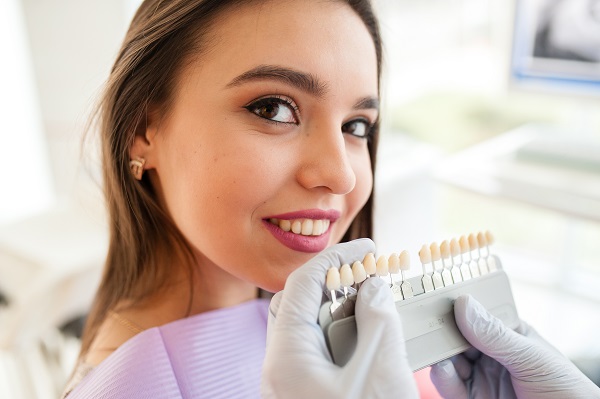
Zirconia and porcelain are sturdy, natural-looking materials used in producing bridges, dentures, and crowns. These two types of materials are suitable for use on the front and back teeth. The prosthodontist will carefully select the shade of the restoration to blend seamlessly with the smile. They also have hyper-surreal translucency like the tooth’s enamel.
Placing dental implants
Regular dental implant placement procedure takes two surgeries. At the first consultation, the dentist will use diagnostic imaging to create an effective treatment strategy. If the patient has suffered significant bone loss, a bone graft procedure will be required to increase the bone mass to support the implant.
Before the surgery starts, the patient will be placed under anesthesia to ensure comfort. The surgery commences by creating an incision over the gums and drilling a pilot hole in the jaw. Afterward, the dentist will place the implant and stitch up the gum over the implant.
Dental implants need about three to six months to integrate appropriately with the jawbone. After osseointegration, the dentist will invite the patient for a second surgery. During the procedure, the dentist will make another incision in the gums to reveal the implants, connect an abutment to the top of the implant, and stitch the gums, leaving the abutment exposed above the gum. The abutment is what connects the new restoration and the implants. It typically takes about two weeks for healing and recovery after this surgery.
The last stage of the implantation procedure is the placement of the dental restoration.
Immediately Load Dental Implants
Also known as teeth-in-a-day, the bridge, crown, or denture is connected to the abutment the same day after inserting the implants in the jaw. The implants used are usually smaller in diameter than regular implants.
Patients can also opt for All-on-4, which is an ideal solution for patients who have lost the teeth on an entire dental arch. Four implants are inserted into the jaw to support a full-arch denture, solving the issue with poor fitting and bone atrophy that often occur with traditional dentures.
Final Note
A dental implant restoration is the best choice for replacing lost tooth because they keep the bone stimulated and prevent degeneration. If you are missing a tooth, book an appointment with a dentist immediately to get a dental restoration to preserve the beauty and function of your smile.
Request an appointment here: https://www.drroberttamaki.com or call Dr. Robert B Tamaki, DDS at (310) 402-0156 for an appointment in our Los Angeles office.
Check out what others are saying about our services on Yelp: Read our Yelp reviews.
Related Posts
While there are several ways to restore your smile, a dental bridge remains one of the most reliable solutions in restorative dentistry. However, one size does not fit all. Choosing the right bridge depends on the condition of your surrounding teeth and your long-term oral health goals.A dental bridge consists of two or more crowns…
Implant-supported dentures provide a stable, functional, and natural-looking option for individuals seeking an advanced tooth-replacement solution. These restorations rely on dental implants for support, offering improved comfort and performance compared to traditional removable dentures. The following guide will walk you through implant-supported dentures and what you can expect through the treatment process.Implant-supported dentures are prosthetic…
Many people wonder when to call an emergency dentist for cuts, tears, or bites to the lips, cheeks, tongue, and gums. While these soft tissue injuries can look scary, prompt dental care can protect comfort, reduce infection risk, and save teeth. A general or family dentist who handles urgent cases can guide this care right…
Root canal therapy is often the final step in saving a severely damaged or infected tooth. However, in most cases, a general dentist will recommend placing a dental crown after root canal therapy to contribute to your long-term oral health. This restoration strengthens and protects the treated tooth, helping the tooth to maintain its function,…