What You Should Know About Different Dental Crown Materials
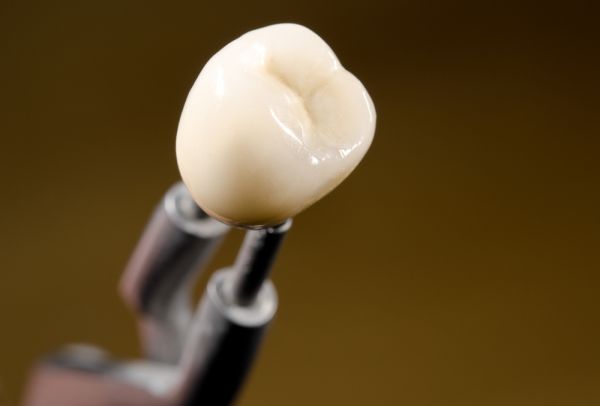
A dental crown is one of the most popular cosmetic or dental restorations. They strengthen broken, cracked, or decayed teeth. Dentists recommend dental crowns for different reasons, but you will be surprised to discover that crowns differ in many ways, including cost and appearance.
This article focuses on the different materials used in making dental crowns, which will guide you when choosing the most suitable material for your smile.
Types of dental crown materials
The following are the types of materials used for making dental crowns:
Gold
The gold alloy used to be the most popular crown material, before the introduction of other materials. Since pure gold is not strong enough, dental labs use alloy. The gold alloy has many advantages over other types of dental crown materials. Gold is malleable and does not need to be thick to provide support. Only a small part of the enamel is shaved for placement. They are also highly durable and less likely to cause irritation to the mouth tissues.
The only drawback of gold crowns is the appearance – they are more suitable for back teeth where they are less visible.
Porcelain
No other material is comparable to porcelain for achieving cosmetic restorations. Porcelain has the translucence of natural teeth. The material is fully customizable to match the shape and size of the original teeth. Porcelain is strong, and it will take a forceful bite to damage the crown. It also decreases teeth sensitivity and makes it convenient to enjoy cold and hot meals alike.
The drawback of porcelain is that it is somewhat harder than the natural enamel, which means that it may cause minor damages to the nearby teeth when chewing or grinding the teeth. A porcelain crown is not ideal for patients who grind or clench their teeth. They are also thicker than gold alloys, which means a good part of the original tooth structure will be shaved off for placement.
Porcelain fused to metal
These crowns are produced by fusing metal with porcelain. This concept is to combine the appeal of porcelain with the strength of metal alloys – usually gold. The lower layer of the crown is made of gold, and the upper layer is made with porcelain. Thus removing the unsightliness of full gold crown.
This crown is highly durable but has its drawbacks. The metal layer underneath can discolor the gum line and make it appear dark or greyish. The gold layer also removes the translucency of the crown. This combination, however, is suitable for patients struggling with teeth grinding but do not want an all-gold crown.
Zirconia
Zirconia-based crowns solve the problem posed by gold and porcelain crowns. Derived from the metal zirconia, this crown copies the properties of ceramic. It is incredibly strong and provides a solid base for a porcelain finish. They are fully customizable to look like the real tooth, so much it will be hard to tell the difference.
Composite resin
This type of material is the least expensive option available for making crowns. They are not so durable and have to be replaced regularly. Composite resin crowns are more ideal for creating temporary crowns before the permanent crown is ready.
In conclusion
If the dentist has recommended getting a dental crown, discuss with them to know the material that they will use and what is needed from you to ensure a successful procedure.
Request an appointment here: https://www.drroberttamaki.com or call Dr. Robert B Tamaki, DDS at (310) 402-0156 for an appointment in our Los Angeles office.
Check out what others are saying about our services on Yelp: Read our Yelp reviews.
Related Posts
A general dentist completes dental implant plans by attaching a custom restoration that looks and feels like a natural tooth. This visible part of the process is what truly brings a smile back to life after tooth loss occurs. While the groundwork happens below the surface, the restoration handles the daily tasks of chewing and…
Dental implants can last for decades when successful. Unfortunately, like any medical device, they can occasionally fail for various reasons. Understanding dental implant failure, what causes it, and how to prevent it can help you enjoy dental implants for their expected lifespan.Dental implants are metal posts designed to replace tooth roots. A dental provider will…
A dental implant can replace an entire dental structure. The titanium rods act like dental roots and anchor the artificial tooth to the jawbone. This restoration is the gold standard of dental replacements. Here are the details about using a dental implant to replace your missing tooth.The dentist will evaluate the patient’s mouth first. This…
A dental implant is an effective way to replace missing teeth, and it offers benefits that other options, such as dentures, do not. However, before deciding whether dental implants are suitable, you should have a complete picture of how they work and what you can expect.Not all patients are good candidates for dental implants. The…